
Importance of Non-Formal Education
Explore the importance of non-formal education in developing youth leadership skills, civic engagement, and lifelong learning. This article examines how flexible, learner, centered approaches support young people to become active and engaged leaders in their communities.
5/8/20241 min read
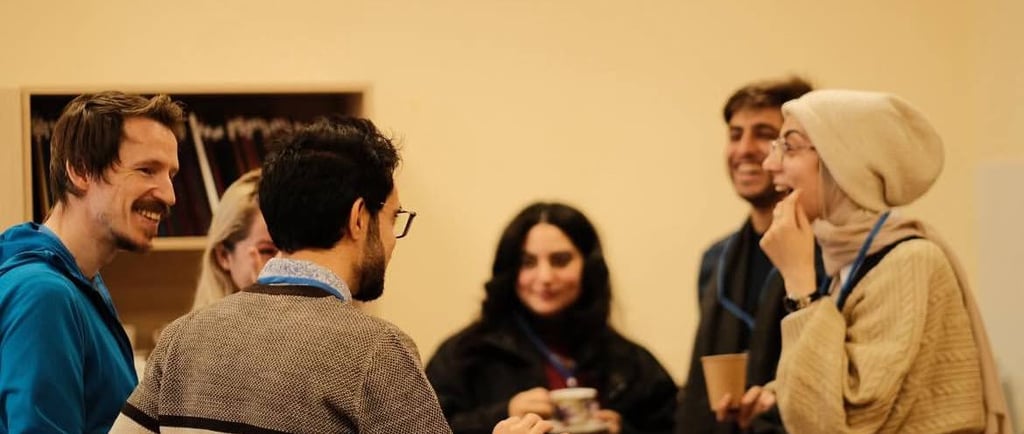
Education does not only happen in classrooms. For many young people, especially those seeking practical skills and leadership experience, non-formal education plays a vital role in shaping confidence, participation, and lifelong learning. In Jordan, non-formal education has become a key pathway for empowering youth and supporting active citizenship.
What Is Non-Formal Education?
Non-formal education refers to structured learning that takes place outside traditional academic systems. It is:
Learner-centered and participatory
Flexible and inclusive
Focused on real-life skills and experiences
Common formats include workshops, trainings, youth camps, mentoring, peer learning, and online learning platforms.
The Role of Non-Formal Education in Youth Leadership
Non-formal education supports youth leadership by:
Encouraging critical thinking and dialogue
Strengthening communication and teamwork skills
Promoting active participation and initiative
Creating safe spaces for expression and learning
Unlike formal education, non-formal approaches value experience, reflection, and collaboration, key elements for leadership development.
Accessibility and Inclusion
One of the strengths of non-formal education is its accessibility. It reaches young people who may face barriers in formal systems and offers inclusive learning opportunities regardless of academic background. Digital learning platforms further expand access, allowing youth to learn at their own pace and according to their interests.
Community Impact
Youth empowered through non-formal education are more likely to:
Engage in community initiatives
Volunteer and lead local projects
Advocate for social inclusion and positive change
By investing in non-formal education, communities invest in youth as active contributors rather than passive beneficiaries.
Non-formal education is essential for developing the skills, values, and confidence young people need to lead. In Jordan, it serves as a powerful tool for youth empowerment, complementing formal education and supporting a more inclusive and participatory society.